-
Shop
- Advanced Technologies
- AI Skills
- AI Skills Mastery 2026 Collection
- Bathroom
- Beauty
- Best-Sellers
- Bluetooth Speakers
- Car Accessories
- Car Buying & Ownership
- Car Electronics
- Chargers
- Confidence
- Dating & Social Skills
- Education & Learning
- Family & Parenting
- Fashion
- Accessories
- Alexander McQueen
- Bags
- Bags & Wallets
- Balenciaga
- Belts
- Blazers
- Blouses & Shirts
- Bottega Veneta
- Bottoms
- Brunello Cucinelli
- Burberry
- Chanel
- Chloé
- Dior
- Dolce & Gabbana
- Dresses
- Etro
- Fendi
- Gucci
- Hats & Hair Accessories
- Hoodies & Sweatshirts
- Jacquemus
- Jewelry
- Jil Sander
- Keychains
- Kiton
- Luggage
- Luggage Bags
- Miu Miu
- Off-White
- Outerwear
- Prada
- Rick Owens
- Saint Laurent
- Socks & Tights
- Sweaters & Cardigans
- The Row
- Tom Ford
- Tops & Shirts
- Valentino
- Valentino Garavani
- Versace
- Vivienne Westwood
- Watches
- Furniture
- Gadgets
- Game Controllers
- Headphones & Earbuds
- Health & Beauty
- Health & Wellness
- Home & Garden
- Home Decor
- Home Electronics
- Home Styling & Organization
- Keyboards & Mice
- Kids & Babies
- Kitchen Best-Sellers
- Lighting
- Luxury Brands Collection
- Microphones & Accessories
- Parenting & Child Development
- Patio, Lawn & Garden
- Personal Growth
- Personal Style & Fashion
- Pet Care
- Pet Lifestyle & Wellness
- Pet Supplies
- Pets
- Phone & Tablet Accessories
- Shoes
- Smart Home
- Smart Life with AI
- Sport & Outdoors
- Travel
- Travel & Adventure
- Wealth
- Wellness
2764Wh LiFePO4 Expansion Battery for Off-Grid Backup
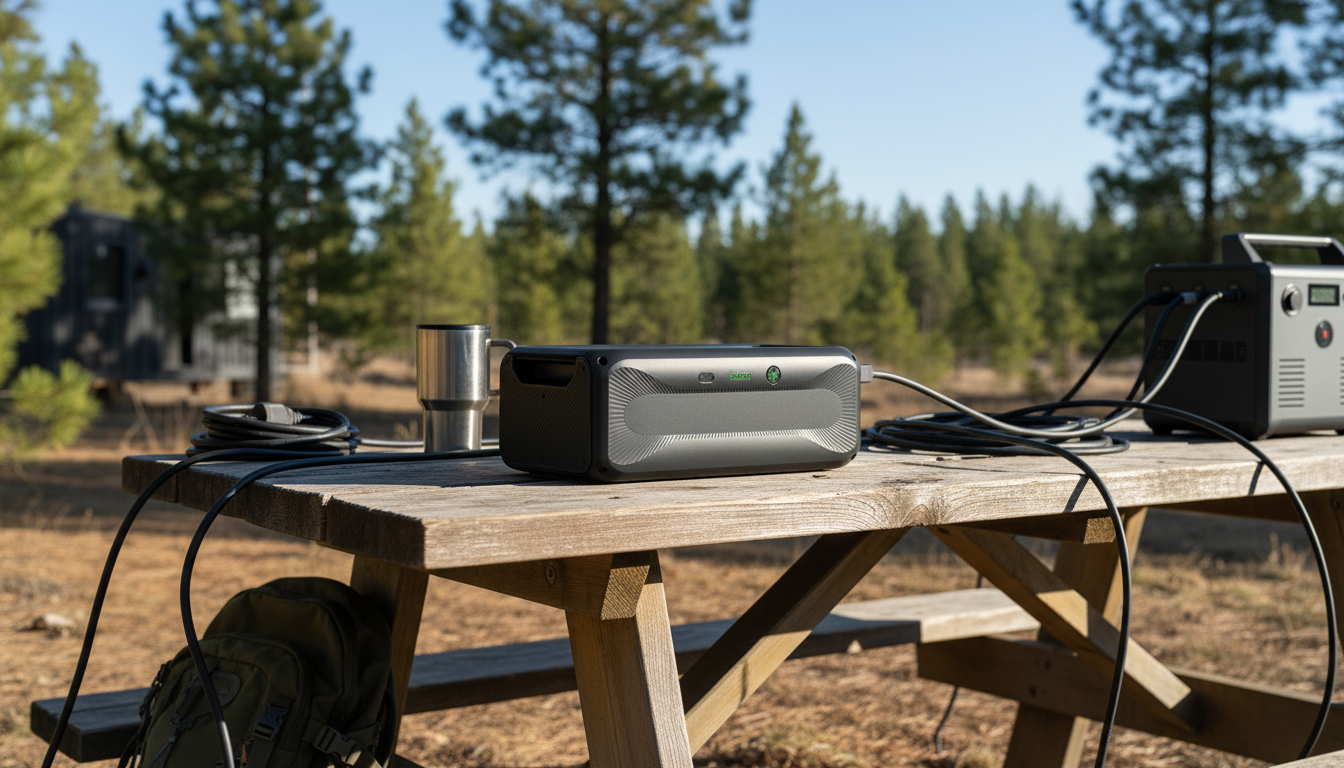
Portable 2764Wh LiFePO4 Expansion Battery for Power Stations for Off-Grid and Home Backup
A high-capacity expansion battery can turn a compatible power station into a longer-lasting backup system for outages, off-grid living, and mobile work. With 2764Wh of LiFePO4 storage on tap, the real value is simple: more hours of refrigeration, more nights of lighting, and more breathing room for essential electronics—without changing how your devices plug in or operate. The key is planning around realistic usable energy, confirming compatibility before buying, and setting up the system in a way that supports safe, reliable performance.
What an Expansion Battery Adds (and What It Doesn’t)
An expansion battery primarily adds energy storage (watt-hours). That extra stored energy extends runtime for the same devices you already power successfully from your existing power station.
- It adds Wh, not W: In most systems, expansion batteries do not increase the power station’s maximum output watts. Your base unit’s inverter and surge ratings still determine what you can run at any moment.
- Best when runtime is the bottleneck: This is ideal when devices already run fine but don’t run long enough—think refrigerators, medical devices, Wi‑Fi routers, security systems, and lighting.
- Why LiFePO4 is popular: LiFePO4 chemistry is commonly chosen for long cycle life and stability, making it a strong match for both frequent cycling (off-grid) and standby readiness (home backup).
Capacity Planning: Turning 2764Wh into Real-World Runtime
The nameplate rating (2764Wh) is a helpful starting point, but usable energy is typically lower due to inverter and conversion losses. A practical planning range is 80–90% usable capacity, depending on the base station, output type (AC vs DC), and operating temperature.
A quick estimate:
runtime (hours) ≈ usable Wh ÷ average device watts
Motor-driven loads like refrigerators and pumps deserve extra attention. The expansion battery can extend runtime, but startup surge handling (the brief spike when a compressor starts) depends on the base power station’s inverter and surge rating—not the expansion battery.
Example Runtime Estimates for a 2764Wh Expansion Battery (Typical Losses Included)
| Load | Average Watts | Estimated Runtime | Notes |
|---|---|---|---|
| Wi‑Fi router + modem | 25W | 80–95 hours | Great for keeping communications online during outages |
| CPAP (no heated humidifier) | 40W | 50–65 hours | Heated humidifiers can multiply power draw |
| LED lighting (6 bulbs) | 60W | 35–45 hours | Use DC lighting if available to reduce losses |
| Laptop charging + monitor | 120W | 18–22 hours | Work-from-home backup scenario |
| Refrigerator (average) | 150W | 14–18 hours | Runtime varies widely; confirm daily kWh on the fridge label |
| Space heater | 1500W | 1.4–1.6 hours | Not ideal; high draw drains storage quickly |
Compatibility Checklist Before Buying
Expansion batteries are rarely universal. Before purchasing, confirm these four areas to avoid an expensive mismatch.
- Connector and protocol: Many brands use proprietary expansion ports and communication handshakes. Confirm your power station model explicitly supports the battery module type.
- Voltage and system design: Check that the expansion battery’s operating voltage matches the power station’s supported expansion range and wiring scheme.
- Charging pathways: Some expansion batteries charge only through the power station; others have their own input; some support both. Choose what fits your routine (wall charging, car charging, solar, or mixed).
- Firmware and limits: Power stations may cap the number of expansion modules or total capacity. Verify maximum supported storage and whether a firmware update is required.
Off-Grid Use Cases Where Extra Wh Matters Most
- Cabins and tiny homes: Longer overnight autonomy for a fridge, lighting, phones, and small appliances—provided the base unit can handle surge for compressor loads.
- Solar buffering: Store daytime solar production for evening essentials. Pairing an expansion battery with a solar-input-capable power station can turn intermittent sun into predictable nightly power.
- Mobile work sites: Keep radios, laptops, inspection tools, and battery chargers running without generator noise. Stagger charging cycles to keep average watts manageable.
- Emergency preparedness: Extend communications, refrigeration, and medical device uptime while keeping high-heat loads (space heaters, kettles, hair dryers) as limited, short-duration use.
Setup, Charging, and Operating Tips
Safety and Longevity Practices for Home Backup
- Use approved components only: Stick to compatible cables and manufacturer-approved expansion ports to reduce overheating risk and communication faults.
- Control temperature exposure: Heat accelerates battery aging and can reduce usable capacity. Keep the system away from hot attics, direct sun through windows, or tight utility closets.
- Test before you need it: Run periodic checks so you know the power station recognizes the expansion battery and your essential loads behave as expected.
- Follow indoor safety guidance: For broader emergency readiness and safe backup practices, review the U.S. Department of Energy’s guidance at Energy Saver, and remember that generator exhaust risks carbon monoxide—see NFPA carbon monoxide safety for key precautions.
Portable 2764Wh Expansion Battery for Power Stations (LiFePO4)
In-Stock Picks
- Portable 2764Wh Expansion Battery for Power Stations, LiFePO4 Backup for Off-Grid and Home Use
- 60″x16″ LED Dimming Full Length Mirror
FAQ
How long will 2764Wh run a refrigerator during a power outage?
Use the refrigerator’s average wattage (or its daily kWh rating) to estimate runtime. With typical conversion losses, many fridges average about 100–200W over time; at 150W average, a 2764Wh expansion battery often lands around 14–18 hours, but real-world results vary with temperature, door openings, and compressor behavior.
Can an expansion battery increase the watts my power station can output?
Usually no. An expansion battery primarily increases stored energy (Wh), while maximum output power (W) and surge capacity are determined by the power station’s inverter and internal design.
Is LiFePO4 a good choice for off-grid and backup use?
Generally yes. LiFePO4 is widely used for long cycle life and thermal stability, making it well-suited to frequent cycling and standby backup when operated within the manufacturer’s temperature and charging guidelines.
Recommended for you


Was this article helpful?
Yes
No




Leave a comment