-
Shop
- Advanced Technologies
- AI Skills
- AI Skills Mastery 2026 Collection
- Bathroom
- Beauty
- Best-Sellers
- Bluetooth Speakers
- Car Accessories
- Car Buying & Ownership
- Car Electronics
- Chargers
- Confidence
- Dating & Social Skills
- Education & Learning
- Family & Parenting
- Fashion
- Accessories
- Alexander McQueen
- Bags
- Bags & Wallets
- Balenciaga
- Belts
- Blazers
- Blouses & Shirts
- Bottega Veneta
- Bottoms
- Brunello Cucinelli
- Burberry
- Chanel
- Chloé
- Dior
- Dolce & Gabbana
- Dresses
- Etro
- Fendi
- Gucci
- Hats & Hair Accessories
- Hoodies & Sweatshirts
- Jacquemus
- Jewelry
- Jil Sander
- Keychains
- Kiton
- Luggage
- Luggage Bags
- Miu Miu
- Off-White
- Outerwear
- Prada
- Rick Owens
- Saint Laurent
- Socks & Tights
- Sweaters & Cardigans
- The Row
- Tom Ford
- Tops & Shirts
- Valentino
- Valentino Garavani
- Versace
- Vivienne Westwood
- Watches
- Furniture
- Gadgets
- Game Controllers
- Headphones & Earbuds
- Health & Beauty
- Health & Wellness
- Home & Garden
- Home Decor
- Home Electronics
- Home Styling & Organization
- Keyboards & Mice
- Kids & Babies
- Kitchen Best-Sellers
- Lighting
- Luxury Brands Collection
- Microphones & Accessories
- Parenting & Child Development
- Patio, Lawn & Garden
- Personal Growth
- Personal Style & Fashion
- Pet Care
- Pet Lifestyle & Wellness
- Pet Supplies
- Pets
- Phone & Tablet Accessories
- Shoes
- Smart Home
- Smart Life with AI
- Sport & Outdoors
- Travel
- Travel & Adventure
- Wealth
- Wellness
Kid-Approved Healthy Dinners: Easy Meals Busy Parents
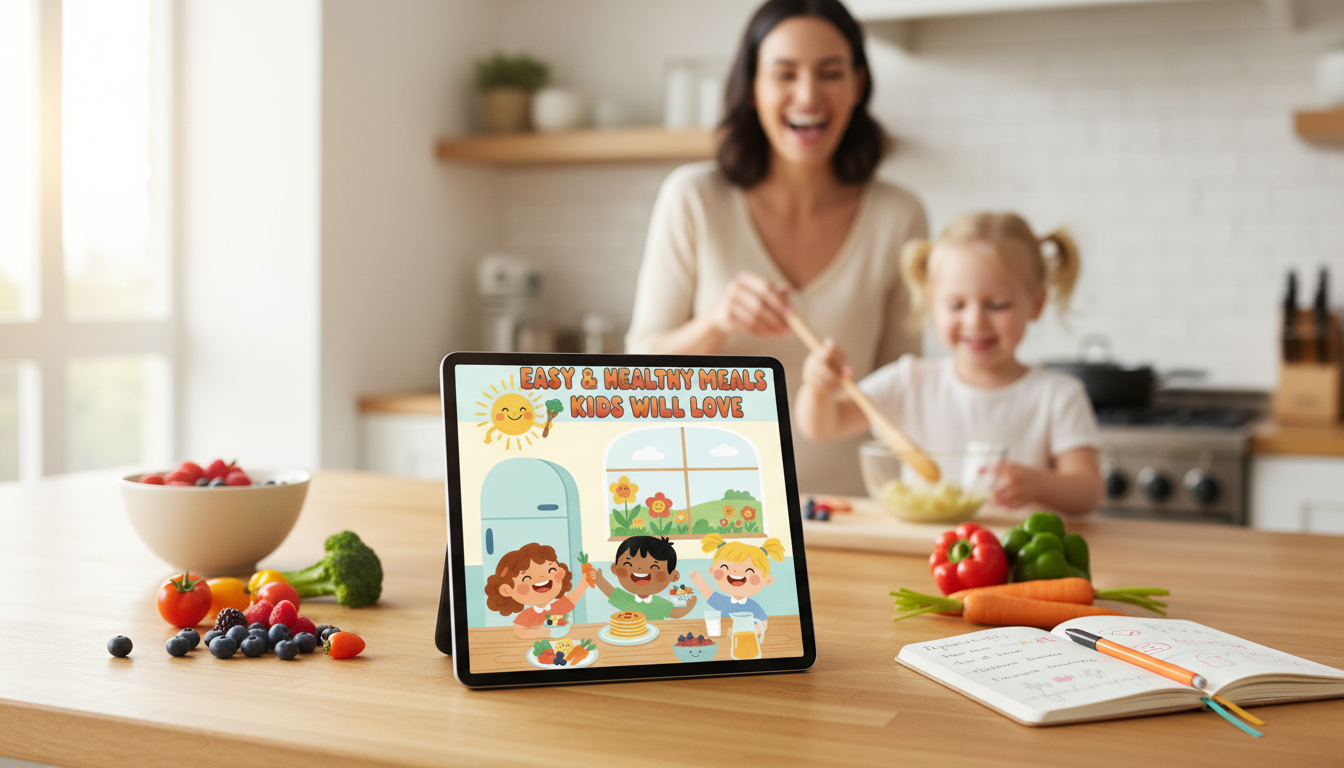
Easy & Healthy Meals Kids Will Love: A Busy Parent’s Guide to Kid-Approved Dinners and Fun Cooking Together
Making healthier meals can feel impossible when schedules are packed and kids have strong opinions. The good news: “kid-approved” and “healthy” don’t have to compete. A simple system—small ingredient swaps, predictable routines, and kid-friendly involvement—can turn weeknight meals into something calmer, faster, and more enjoyable for everyone.
Why “kid-approved” and “healthy” can work together
Many families get stuck in the same cycle: a few “safe” dinners on repeat, arguments over vegetables, and a tired parent who just wants everyone fed. The easiest way out is not to reinvent dinner—it’s to keep the format familiar and quietly upgrade what goes inside it.
- Start with familiar formats like tacos, bowls, pasta, wraps, and “snack plates,” then improve the ingredients (whole grains, leaner proteins, more produce).
- Use a bridge ingredient your child already likes—cheese, yogurt dip, noodles, a tortilla—to introduce new foods in tiny steps without pressure.
- Aim for balance over perfection: protein + fiber-rich carb + colorful produce + healthy fat. If one part is missing tonight, you can add it tomorrow.
- Repeat wins on a rotation so kids learn what to expect and parents avoid decision fatigue.
If you want a simple visual for portions and food groups, resources like USDA MyPlate can help you sanity-check meals without turning dinner into a math problem.
A simple formula for fast, healthy family meals
When dinner feels chaotic, a “build-your-own” structure is a lifesaver. It’s faster, it reduces complaints, and it lets picky eaters keep foods separate while everyone still eats the same meal.
- Pick a base: whole-grain pasta, brown rice, quinoa, potatoes, whole-wheat tortillas, or hearty greens.
- Add protein: chicken, eggs, beans, lentils, tofu, Greek yogurt, canned tuna/salmon, or lean ground turkey.
- Add produce in two ways: one mixed in (sauce/soup/stir-fry) and one served on the side (raw crunch, fruit, quick salad).
- Add a kid-friendly sauce: salsa + yogurt, pesto, marinara, teriyaki-style, lemon-olive oil, or hummus thinned with water.
- Finish with toppings: a “choose-your-own” bar lets kids feel in control (cheese, avocado, seeds, cucumber, herbs).
Mix-and-match meal builder
| Base | Protein | Produce | Sauce | Toppings |
|---|---|---|---|---|
| Whole-wheat tortillas | Black beans | Peppers + corn | Salsa + Greek yogurt | Cheese, avocado, lettuce |
| Brown rice | Eggs (scrambled) | Spinach + carrots | Soy-ginger drizzle | Sesame seeds, cucumber |
| Whole-grain pasta | Turkey or lentils | Zucchini + tomatoes | Marinara | Parmesan, basil |
| Baked potatoes | Tuna or chickpeas | Broccoli | Yogurt herb sauce | Green onion, olive oil |
| Salad greens | Chicken or tofu | Cherry tomatoes + shredded cabbage | Lemon-olive oil | Croutons, sunflower seeds |
Meal planning that actually fits a busy week
Meal planning works best when it’s lightweight. The goal isn’t a perfect plan—it’s fewer last-minute decisions and fewer nights of “What’s for dinner?” panic.
- Choose 3–4 core dinners and repeat weekly with one twist (swap the sauce, change the veggie, offer a different topping bar).
- Keep “backup dinners” ready using pantry/freezer staples: bean quesadillas, egg fried rice, soup + toast, pasta + frozen veggies.
- Batch-prep the parts that save the most time: wash/chop produce, cook one grain, roast one sheet pan of vegetables.
- Do a 10-minute kitchen reset after dinner: pack leftovers, restock easy snacks, and start a soak on one pot/pan.
- Plan for lunch on purpose: build dinners that become wraps, bowls, or pasta salads the next day.
For family nutrition basics and practical guidance, HealthyChildren.org (American Academy of Pediatrics) is a helpful reference.
Getting kids involved without slowing everything down
Kids don’t need to “cook dinner” to be involved. The trick is giving them quick, clear jobs that create buy-in without doubling your workload.
- Assign age-appropriate roles: rinsing produce, tearing lettuce, mixing sauces, measuring spices, or setting up toppings.
- Use “two yeses” choices: kids can pick between two healthy options (two veggies, two fruits, two sides).
- Create a weekly taste test: one new ingredient served with a familiar dip or next to a favorite food.
- Make it playful: name the meal, try a color challenge (“eat three colors”), or build a DIY topping bar.
- Keep safety simple: little kids skip sharp knives, everyone washes hands, and you define a clear prep zone.
Common barriers and quick fixes
A ready-to-use guide for kid-approved meals and cooking together
For a one-stop option, consider Easy & Healthy Meals Kids Will Love (digital download), designed for busy parents who want kid-approved dinners, meal planning help, and fun cooking-together activities.
And when life is moving fast, comfortable everyday gear can help you stay on your feet from school drop-off to dinner cleanup—like Burberry Archivio Check Sneakers for on-the-go days.
FAQ
What are easy healthy meals that kids will actually eat?
Stick to familiar formats like tacos, bowls, pasta, and wraps, then make small upgrades (whole grains, beans, extra veggies blended into sauce). Serve sauces and toppings on the side so kids can choose what to add.
How can busy parents meal plan without spending hours on it?
Use a repeatable rotation with 3–4 core dinners, plus 2 backup pantry meals for hectic nights. Batch-prep one grain, one protein, and some chopped produce so dinners assemble quickly.
What are safe ways to get kids involved in cooking?
Give kids jobs that match their age: rinsing produce, tearing lettuce, mixing sauces, measuring spices, and building their own plate from a topping bar. Keep safety simple with hand-washing, a designated prep space, and no sharp knives for little ones.
Recommended for you



Was this article helpful?
Yes
No




Leave a comment