-
Shop
- Advanced Technologies
- AI Skills
- AI Skills Mastery 2026 Collection
- Bathroom
- Beauty
- Best-Sellers
- Bluetooth Speakers
- Car Accessories
- Car Buying & Ownership
- Car Electronics
- Chargers
- Confidence
- Dating & Social Skills
- Education & Learning
- Family & Parenting
- Fashion
- Accessories
- Alexander McQueen
- Bags
- Bags & Wallets
- Balenciaga
- Belts
- Blazers
- Blouses & Shirts
- Bottega Veneta
- Bottoms
- Brunello Cucinelli
- Burberry
- Chanel
- Chloé
- Dior
- Dolce & Gabbana
- Dresses
- Etro
- Fendi
- Gucci
- Hats & Hair Accessories
- Hoodies & Sweatshirts
- Jacquemus
- Jewelry
- Jil Sander
- Keychains
- Kiton
- Luggage
- Luggage Bags
- Miu Miu
- Off-White
- Outerwear
- Prada
- Rick Owens
- Saint Laurent
- Socks & Tights
- Sweaters & Cardigans
- The Row
- Tom Ford
- Tops & Shirts
- Valentino
- Valentino Garavani
- Versace
- Vivienne Westwood
- Watches
- Furniture
- Gadgets
- Game Controllers
- Headphones & Earbuds
- Health & Beauty
- Health & Wellness
- Home & Garden
- Home Decor
- Home Electronics
- Home Styling & Organization
- Keyboards & Mice
- Kids & Babies
- Kitchen Best-Sellers
- Lighting
- Luxury Brands Collection
- Microphones & Accessories
- Parenting & Child Development
- Patio, Lawn & Garden
- Personal Growth
- Personal Style & Fashion
- Pet Care
- Pet Lifestyle & Wellness
- Pet Supplies
- Pets
- Phone & Tablet Accessories
- Shoes
- Smart Home
- Smart Life with AI
- Sport & Outdoors
- Travel
- Travel & Adventure
- Wealth
- Wellness
Modern Cat Tower with Sisal Posts, Perch & Hammock
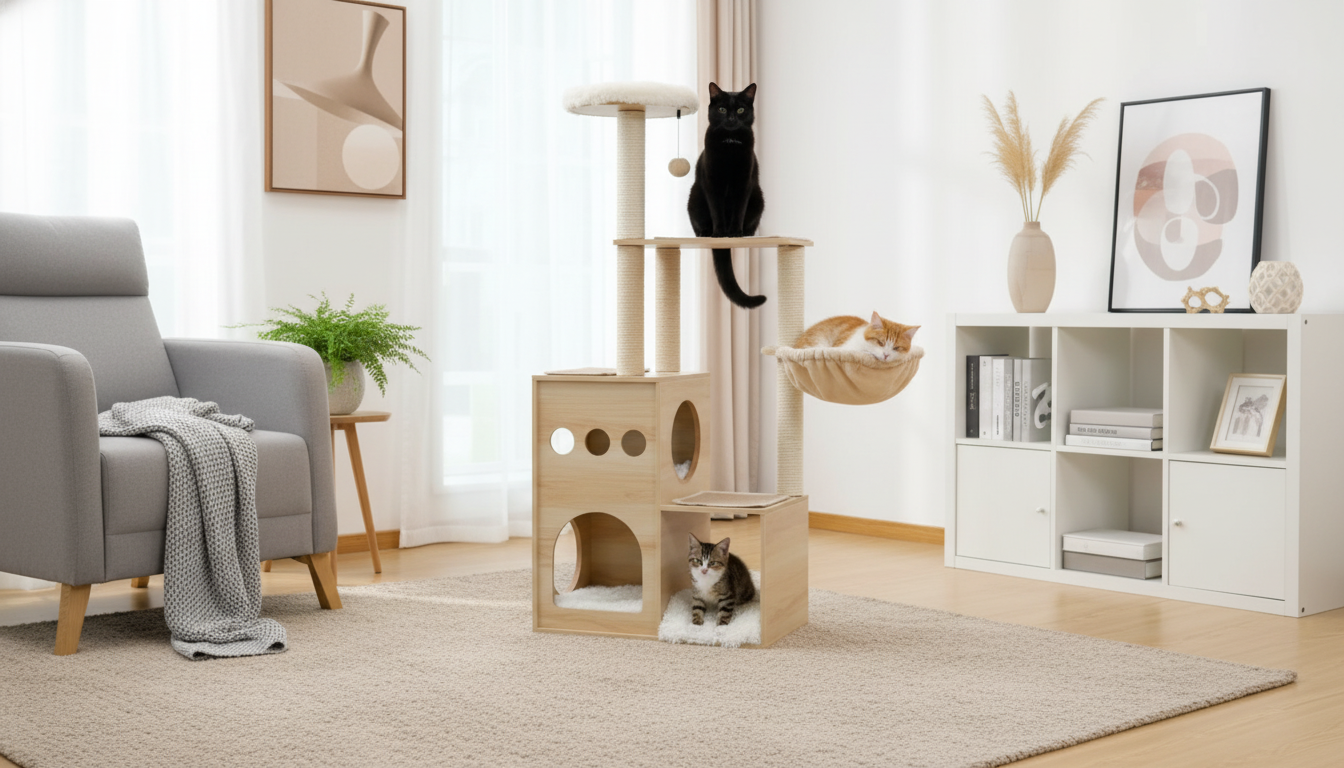
Modern Vertical Comfort for Cats: Sisal Scratching, a Perch, and a Hammock in One Tower
A multi-level cat tower can turn a small corner into a climbing, scratching, and napping zone that helps cats burn energy, feel secure up high, and keep claws busy. This modern design combines sisal scratching posts with a raised perch and a hammock-style lounge, making it a practical option for homes that want one piece to cover play, rest, and daily claw care.
If you’re looking for a streamlined upgrade, the Modern Multi-Level Cat Tower with Sisal Scratching Posts, Perch & Hammock is designed to add vertical territory without taking over the room—while still giving cats the textures and elevation they naturally seek.
What Makes This Cat Tower a Daily Favorite
Cats thrive when their environment supports instinctive routines: climb, observe, scratch, and rest. A thoughtfully arranged tower becomes more than furniture—it becomes part of a cat’s daily rhythm, especially for indoor cats that need more “micro-adventures” at home.
- Multi-level layout supports natural climbing and “up-high” resting preferences.
- Sisal-wrapped scratching posts offer a dedicated place to scratch, helping redirect away from sofas and carpets.
- Perch provides a lookout spot for window views, household monitoring, and quiet time.
- Hammock creates a curved, cradled nap space many cats prefer for longer rests.
- Modern profile suits contemporary rooms without looking bulky or overly plush.
- One tower can reduce the need for separate scratchers, beds, and climbing steps.
Feature Overview and Why It Matters
| Component | Purpose | Benefit for Cats | Benefit for Home |
|---|---|---|---|
| Sisal scratching posts | Claw conditioning and marking | Satisfies scratching drive; stretches shoulders and back | Helps protect furniture and rugs |
| Multi-level platforms | Climbing and perching | Encourages exercise and confidence | Adds vertical territory without using floor space |
| Top perch | Lookout and resting | Security and relaxation from an elevated spot | Keeps cats comfortably off counters |
| Hammock lounge | Curved resting zone | Cozy support for naps; calming retreat | Creates a dedicated sleep spot |
| Stable base and frame | Support and safety | More confident jumping and play | Less wobble and fewer floor scratches |
Comfort and Layout: Perch + Hammock + Platforms
The best cat furniture doesn’t force one “correct” way to rest. It offers options: high versus tucked-in, flat versus curved, social versus private. That variety matters because a cat’s preferred spot can change throughout the day—especially in busy homes.
- Perch placement works best near natural light or a window line-of-sight, giving cats a predictable “observation post.”
- Hammock level offers a tucked-in rest option, helpful for cats that alternate between social and private nap spots.
- Multiple levels reduce crowding when more than one cat uses the tower, lowering tension and resource guarding.
- A mix of flat platforms and a hammock supports different sleep styles (sprawl vs. curl).
- Vertical territory can be especially helpful for indoor cats that need more movement opportunities.
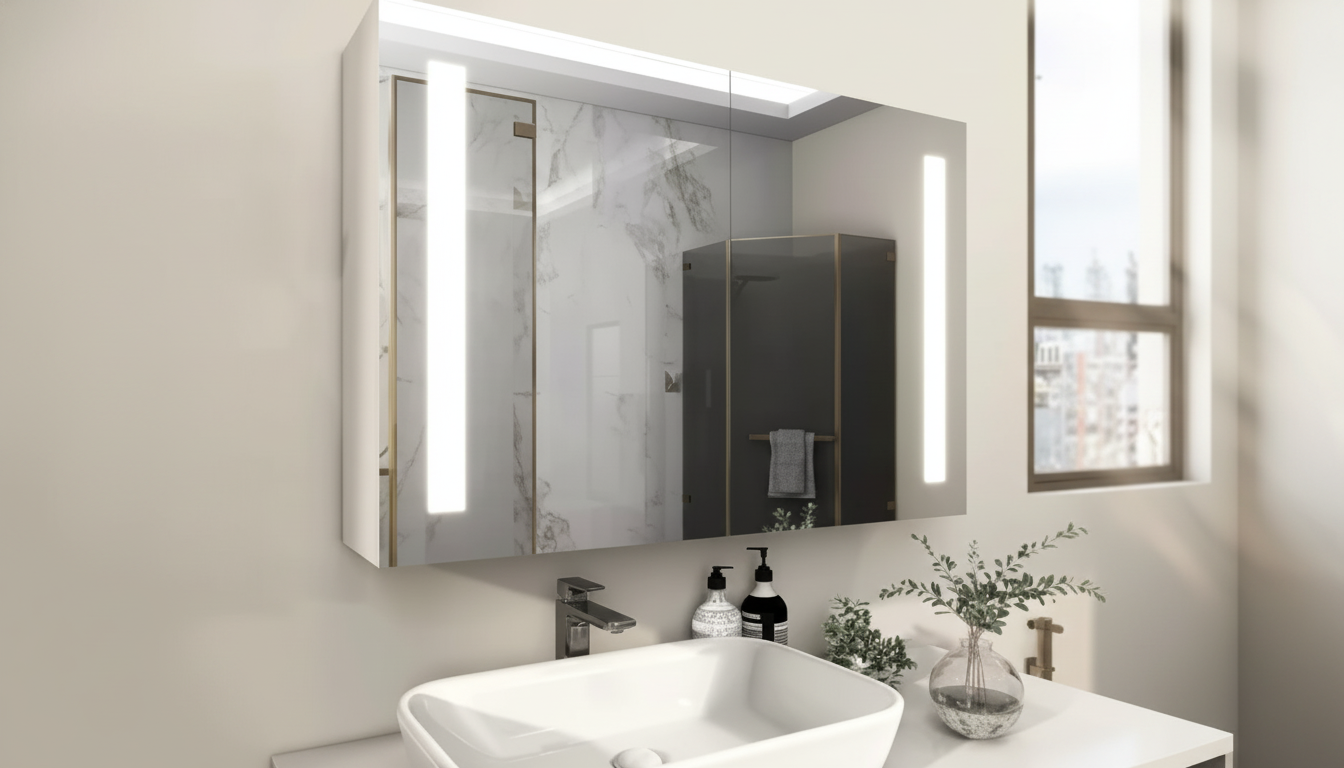
For added everyday convenience, placing a tower near a bright wall can visually “open up” the corner. Some households pair that area with a reflective decor piece like the 60″x16″ LED Dimming Full Length Mirror to brighten the space while keeping the cat zone consolidated and tidy.
Scratching Support: How Sisal Helps
Scratching isn’t misbehavior—it’s maintenance and communication. Cats scratch to shed old claw layers, stretch their bodies, and leave both visible marks and scent signals from glands in their paws. When the right texture is available, many cats choose it consistently.
- Sisal texture is widely used because it provides resistance and grip that many cats prefer over smooth fabrics.
- Dedicated scratching surfaces help meet natural marking needs (visual marks + scent from paws).
- Scratching posts positioned along common “traffic paths” (near sleeping areas or entry points) can increase use.
- Regular scratching helps maintain healthy claws and provides a full-body stretch.
- Pairing scratch zones with rest zones in one tower can make the tower a central daily habit spot.
For deeper guidance on enrichment and meeting behavioral needs, the American Association of Feline Practitioners (AAFP) Feline Environmental Needs Guidelines and the ASPCA’s cat behavior resources outline why scratching outlets and vertical spaces are so valuable in a home setup.
Where to Place It for Best Use
Placement can make the difference between “occasionally used” and “favorite spot.” Cats often choose locations that combine vantage points, predictable traffic, and a sense of safety.
- Near a window: supports bird-watching and mental stimulation.
- In a calm corner: gives a retreat zone for shy cats while still being part of the home.
- Away from loud appliances: reduces startle stress and encourages longer naps.
- Close to family activity: for social cats that like to perch near people without being underfoot.
- On a flat surface with enough clearance: for jumping up and down safely.
If you’re encouraging a hesitant cat, try placing the tower where the cat already likes to rest. Familiar scent and routine often help the tower “click” faster than moving it to a corner that looks good but feels disconnected to the cat.
Setup, Stability, and Everyday Maintenance
Who It Suits Best
FAQ
How do cats learn to use a new tower and scratching posts?
Place it near a window or a frequently used area, sprinkle a little catnip on the sisal (if your cat responds to it), and reward curiosity with treats. If your cat scratches furniture, calmly redirect to the sisal post and reward the switch.
Is a hammock safe for adult cats?
A hammock made for pet furniture is typically safe when the frame is stable and all connections are tight. Recheck fasteners regularly and replace any worn fabric or attachments if you notice sagging, fraying, or tearing.
Where should a cat tower be placed in a small home?
A corner near a window or close to the main living area works well, as long as there’s clear space for jumping and landing. Keep it away from loud appliances so the tower stays inviting for naps and relaxed perching.
Recommended for you


Was this article helpful?
Yes
No

Leave a comment