-
Shop
- Advanced Technologies
- AI Skills
- AI Skills Mastery 2026 Collection
- Bathroom
- Beauty
- Best-Sellers
- Bluetooth Speakers
- Car Accessories
- Car Buying & Ownership
- Car Electronics
- Chargers
- Confidence
- Dating & Social Skills
- Education & Learning
- Family & Parenting
- Fashion
- Accessories
- Alexander McQueen
- Bags
- Bags & Wallets
- Balenciaga
- Belts
- Blazers
- Blouses & Shirts
- Bottega Veneta
- Bottoms
- Brunello Cucinelli
- Burberry
- Chanel
- Chloé
- Dior
- Dolce & Gabbana
- Dresses
- Etro
- Fendi
- Gucci
- Hats & Hair Accessories
- Hoodies & Sweatshirts
- Jacquemus
- Jewelry
- Jil Sander
- Keychains
- Kiton
- Luggage
- Luggage Bags
- Miu Miu
- Off-White
- Outerwear
- Prada
- Rick Owens
- Saint Laurent
- Socks & Tights
- Sweaters & Cardigans
- The Row
- Tom Ford
- Tops & Shirts
- Valentino
- Valentino Garavani
- Versace
- Vivienne Westwood
- Watches
- Furniture
- Gadgets
- Game Controllers
- Headphones & Earbuds
- Health & Beauty
- Health & Wellness
- Home & Garden
- Home Decor
- Home Electronics
- Home Styling & Organization
- Keyboards & Mice
- Kids & Babies
- Kitchen Best-Sellers
- Lighting
- Luxury Brands Collection
- Microphones & Accessories
- Parenting & Child Development
- Patio, Lawn & Garden
- Personal Growth
- Personal Style & Fashion
- Pet Care
- Pet Lifestyle & Wellness
- Pet Supplies
- Pets
- Phone & Tablet Accessories
- Shoes
- Smart Home
- Smart Life with AI
- Sport & Outdoors
- Travel
- Travel & Adventure
- Wealth
- Wellness
Crocs Women’s Black Slippers: Warm Grip for Winter
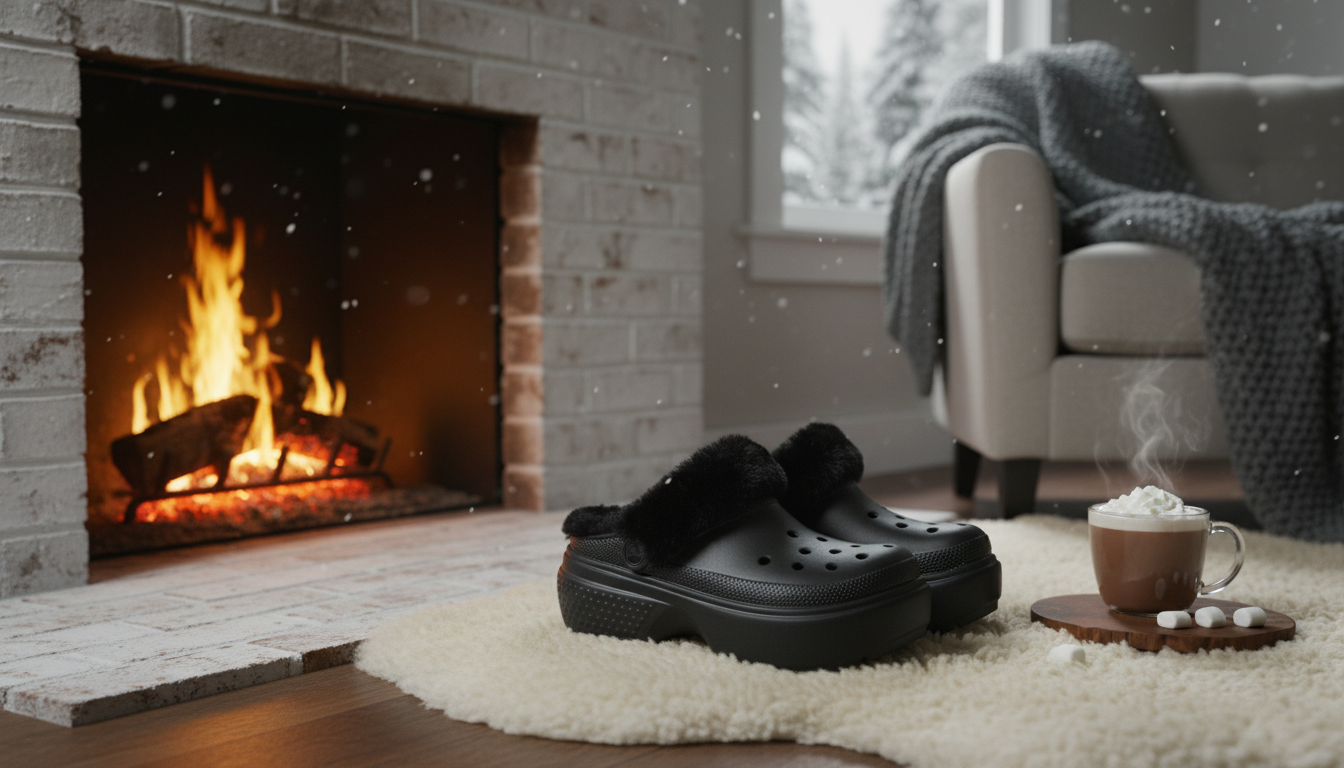
Cozy, Steady Comfort: Crocs Women’s Black Slippers for Fall and Winter
Designed for cooler months, these Crocs women’s slippers pair plush comfort with a rubber sole that feels stable on common indoor surfaces. The result is a cozy, easy slip-on option for everything from slow mornings to busy evenings—without the “floppy” feel that some soft-bottom house shoes can have. Below is what to expect for warmth, traction, fit, and everyday use, plus simple care steps to keep them feeling fresh through the season.
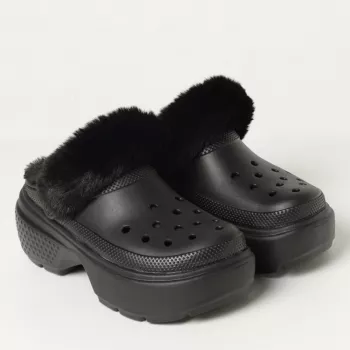
If you’re ready to shop, see Crocs Women’s Black Slippers Rubber Sole Fall/Winter Comfort Footwear.
What Makes These Crocs Slippers a Solid Cold-Season Pick
Cold-weather lounging is all about warmth and stability. These slippers stand out because the rubber sole adds structure and grip compared with fabric-only bottoms, which can feel less secure on smooth floors. That extra firmness can be especially helpful when carrying coffee, walking on tile, or pivoting between rooms.
The black colorway keeps the look simple and low-fuss—easy to match with robes, joggers, leggings, or a lounge set, and more forgiving of everyday scuffs than lighter shades. They’re also convenient for quick outdoor steps like grabbing the mail or stepping onto a porch, as long as conditions are dry and safe (for rain, snow, or longer walks, a true outdoor shoe is still the better choice).
Comfort and Warmth: What It Feels Like Day to Day
For day-to-day wear, the cushioned underfoot feel is made for long indoor stretches. If you’re on your feet while cooking, tidying up, or standing at a desk, the added support can help reduce that tired-foot feeling that comes with thin, flat slippers.
Warmth is best suited for cool-to-cold indoor temperatures—think chilly mornings, drafty hallways, and floors that feel cold through socks. For extreme outdoor cold, these are better treated as an indoor base layer: pair with thicker socks (as fit allows) and keep outdoor time brief.
The interior is typically comfortable against bare feet, which is a big plus for anyone who dislikes the scratchiness of heavy socks indoors. If you’re sensitive to seams or prefer a little buffer, a thin sock can help. Break-in is generally minimal for slipper-style footwear, but expect slight changes over time as the lining compresses and molds to your foot.
Rubber Sole Benefits: Traction, Stability, and Versatility
Rubber soles tend to outperform fabric or suede bottoms on many household surfaces. On tile, laminate, and sealed wood, that added traction can make quick turns and short steps feel more controlled—especially when you’re moving around with wet hands, laundry, or a pet underfoot.
Beyond grip, structure matters. A sturdier sole provides a more stable platform when standing at counters, climbing stairs, or carrying items room to room. It can also help insulate your feet from cold seeping up through thin floors, which is a common complaint with soft-bottom slippers.
One practical tip: traction depends on cleanliness. If you step outside, wipe the soles before walking across smooth floors. Dust, oils, and moisture can reduce grip, so keeping soles clean and dry helps maintain consistent footing.
Fit and Sizing Tips for the Best Slip-On Experience
A good slipper fit is secure without feeling tight. Aim for a heel that stays in place with enough toe room to wiggle. Slippers that are too loose may feel unstable and can increase the chance of shuffling or catching the toe on rugs and thresholds.
If thicker socks are part of the plan, focus on a fit that doesn’t pinch across the top of the foot. Too much pressure there can turn a cozy slipper into something you want to kick off after an hour. If you’re between sizes, prioritize the option that reduces heel lift; too much extra length can create a tripping hazard indoors.
At-a-Glance Details
| Feature | What to Expect | Why It Matters |
|---|---|---|
| Sole type | Rubber sole | Improves grip and durability for indoor floors and short outdoor steps |
| Season | Fall/Winter | Better comfort on chilly floors and cooler indoor temperatures |
| Primary use | Indoor lounging, quick transitions around the home | Designed for comfort during daily routines |
| Color | Black | Easy to coordinate and hides minor scuffs better than light colors |
| Care approach | Spot clean and air dry | Helps preserve materials and keeps interior feeling fresh |
Care and Maintenance for Long-Lasting Comfort
When to Choose These vs. Other Footwear Options
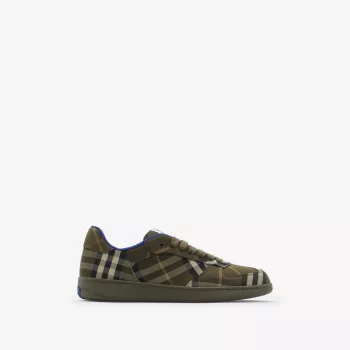
For longer outdoor walks, wet conditions, snow, or uneven pavement, switch to outdoor footwear. A sturdier sneaker can offer better weather readiness and support for distance; consider Burberry Archivio Check Sneakers for an elevated casual option.
If you’re heading out in colder weather and want to stay warm from head to toe, pairing cozy indoor footwear with a substantial outer layer can make transitions more comfortable—see Brunello Cucinelli Wool Double-Breasted Coat.
Additional Resources
For brand details and general product information, visit the Crocs Official Site. For broader guidance on choosing supportive footwear and good fit habits, review tips from the American Podiatric Medical Association (APMA).
FAQ
Are rubber-sole slippers safe on hardwood and tile floors?
Rubber soles typically provide better traction than fabric bottoms on hardwood and tile, but grip depends on the sole being clean and dry. Wipe off dust or moisture and avoid walking on wet floors for the most stable footing.
Can these slippers be worn outside?
They work well for brief outdoor steps like the porch or mailbox in dry conditions. For rain, snow, slick surfaces, or longer walks, switch to outdoor shoes designed for weather and distance.
How should slippers be cleaned without damaging them?
Use gentle spot cleaning with mild soap and a damp cloth, then air dry completely. Avoid high heat or machine drying, and let the interior dry between wears to help reduce odors.
Recommended for you
Was this article helpful?
Yes
No

Leave a comment